
Fire Watch in Ontario: When You Need One
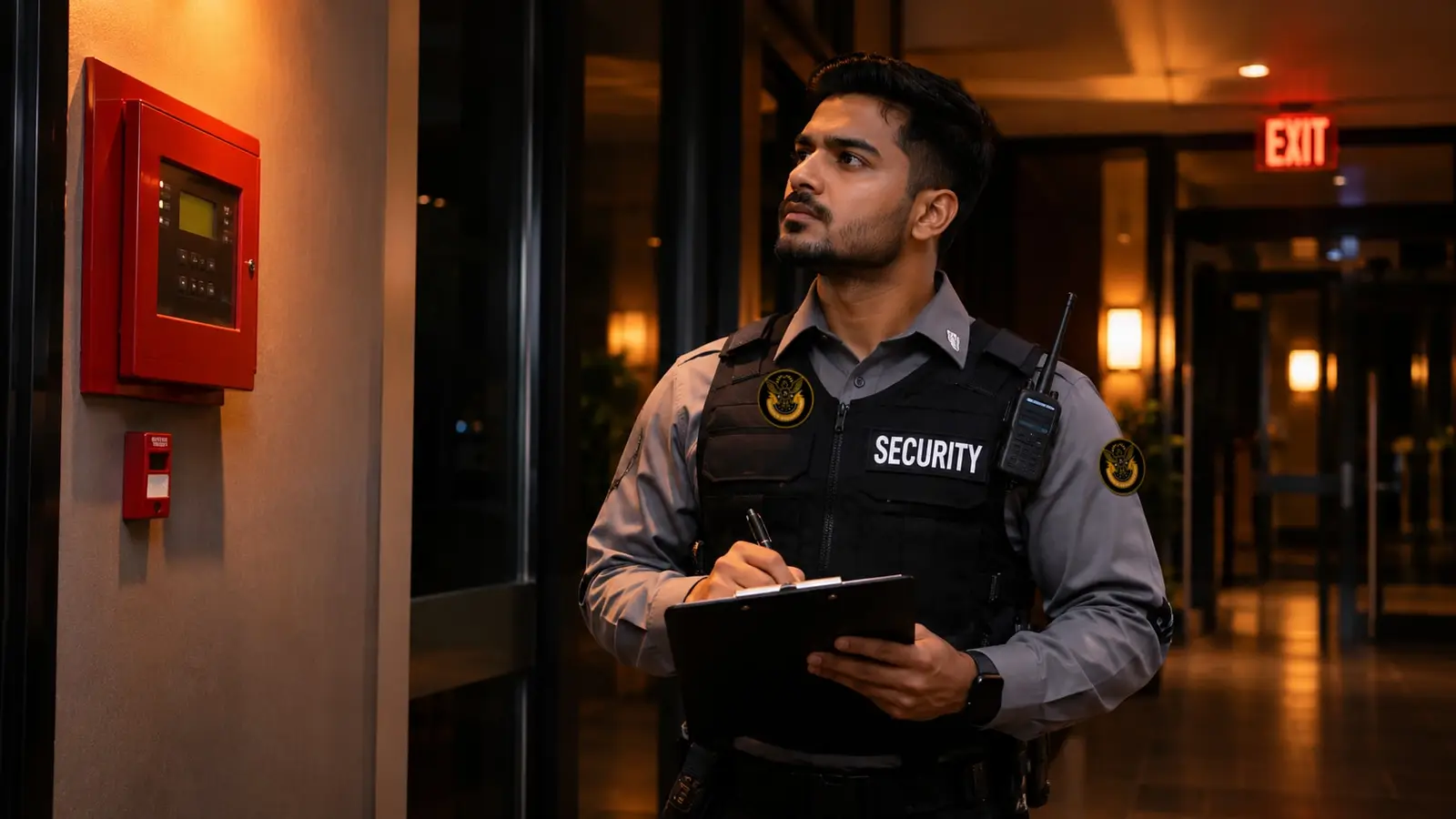
Key facts
- Under the Ontario Fire Code, the building owner must notify the fire department when a fire alarm, sprinkler or standpipe system is shut down or impaired.
- A fire watch is the most common alternative measure used to protect occupants while a fire protection system is impaired.
- A fire watch does not replace repairing the system; it only covers the gap until the system is back in service.
- Fire watch guards patrol on a set schedule, check for fire, smoke and hazards, raise the alarm and log every round.
- Ontario’s wildland fire season extends from April 1 to October 31, and it is separate from a building fire watch.
- Hot work such as welding, cutting or grinding, and construction with disconnected fire systems, can also call for a fire watch.
Last updated: 19 November 2026
A fire watch is a temporary safety measure where trained people patrol a building or site to look for fire, smoke and hazards, and raise the alarm. In Ontario, owners most often rely on one while a fire alarm, sprinkler or standpipe system is out of service, or during risky work such as welding.
Below, we explain what the Ontario Fire Code expects from owners and the situations that trigger a fire watch. We also cover what a guard does on patrol and how to get coverage in place quickly.
What is a fire watch?
A fire watch is a patrol by trained people that stands in for fire protection systems that are out of service, or adds cover during risky work such as welding.
Take an everyday example. A fire alarm panel fails overnight in an occupied building. People are inside, but the system that would normally detect a fire and sound the alarm is no longer working. A guard walks the floors at set intervals to cover that gap.
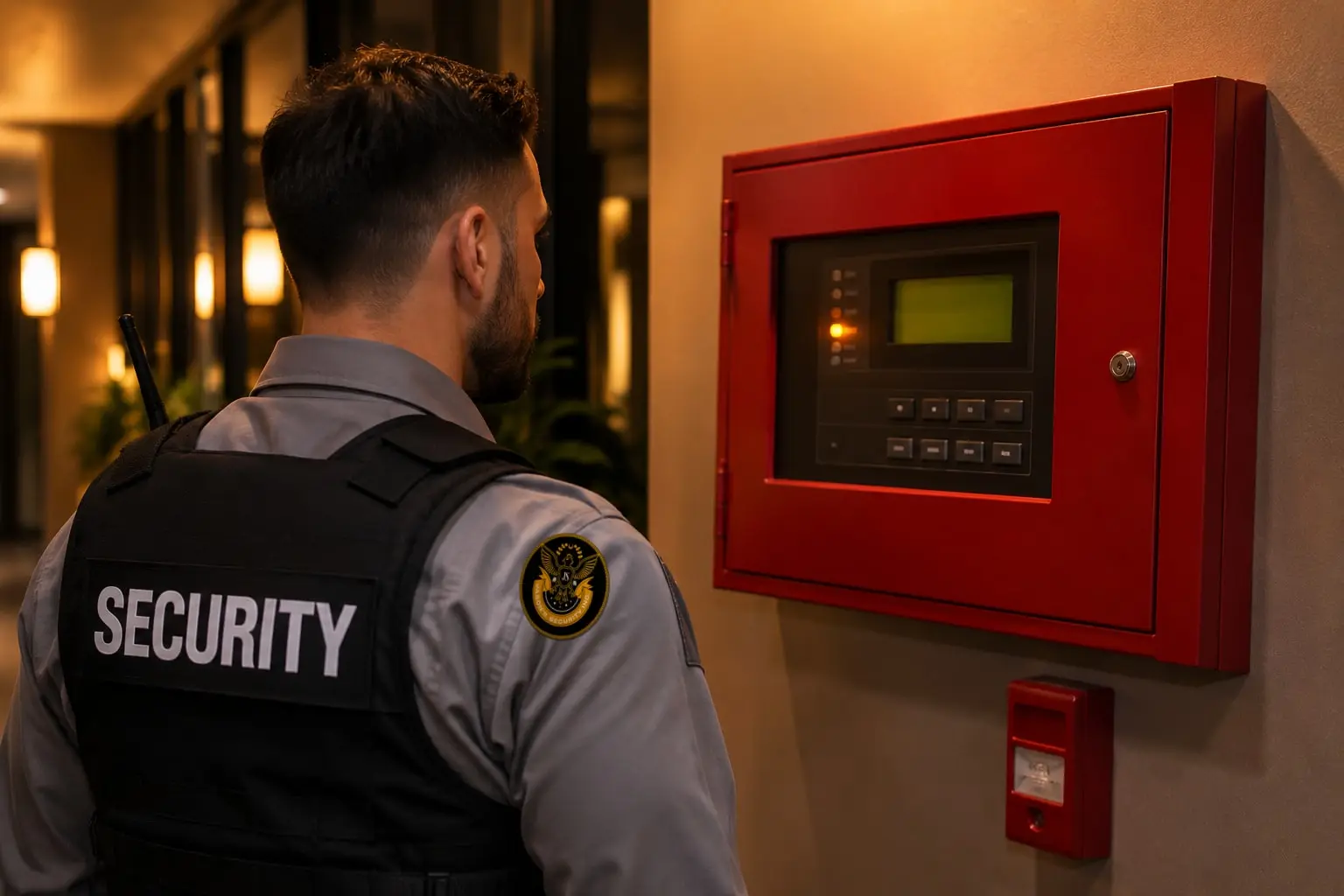
A fire watch never replaces repairing the system. It keeps occupants safer until the system is back in service, so book the repair at the same time as the cover.
The same logic applies after a fire or flood, while the building is assessed, damage restoration work goes ahead and systems are restored. It also applies to renovation on a large scale, where permanent fire systems may be partly disconnected.
What are the requirements for a fire watch in Ontario?
Under the Ontario Fire Code, when a fire alarm, sprinkler or standpipe system is shut down or impaired, the building owner must notify the fire department. The owner must also take alternative measures to protect occupants, and a fire watch is the most common of those measures.
What the Ontario Fire Code expects from owners
The owner is responsible for acting as soon as a fire protection system is out of service. That term covers the fire alarm system, plus the sprinklers and standpipes that form the building’s fire suppression system. When one is impaired, the building is less protected, so someone has to cover the gap.
Two things can shape what that cover looks like:
- Your local fire department may direct that a fire watch be put in place.
- Your fire safety plan may require one.
The exact requirements depend on your building, your fire safety plan and the fire department’s direction. If you are unsure, ask your fire department or fire protection contractor first, then arrange the coverage they require.
For example, a sprinkler line in an occupied office building is shut down for repairs. The owner calls the fire department, learns what it expects, and books trained people to patrol until the line is back in service.
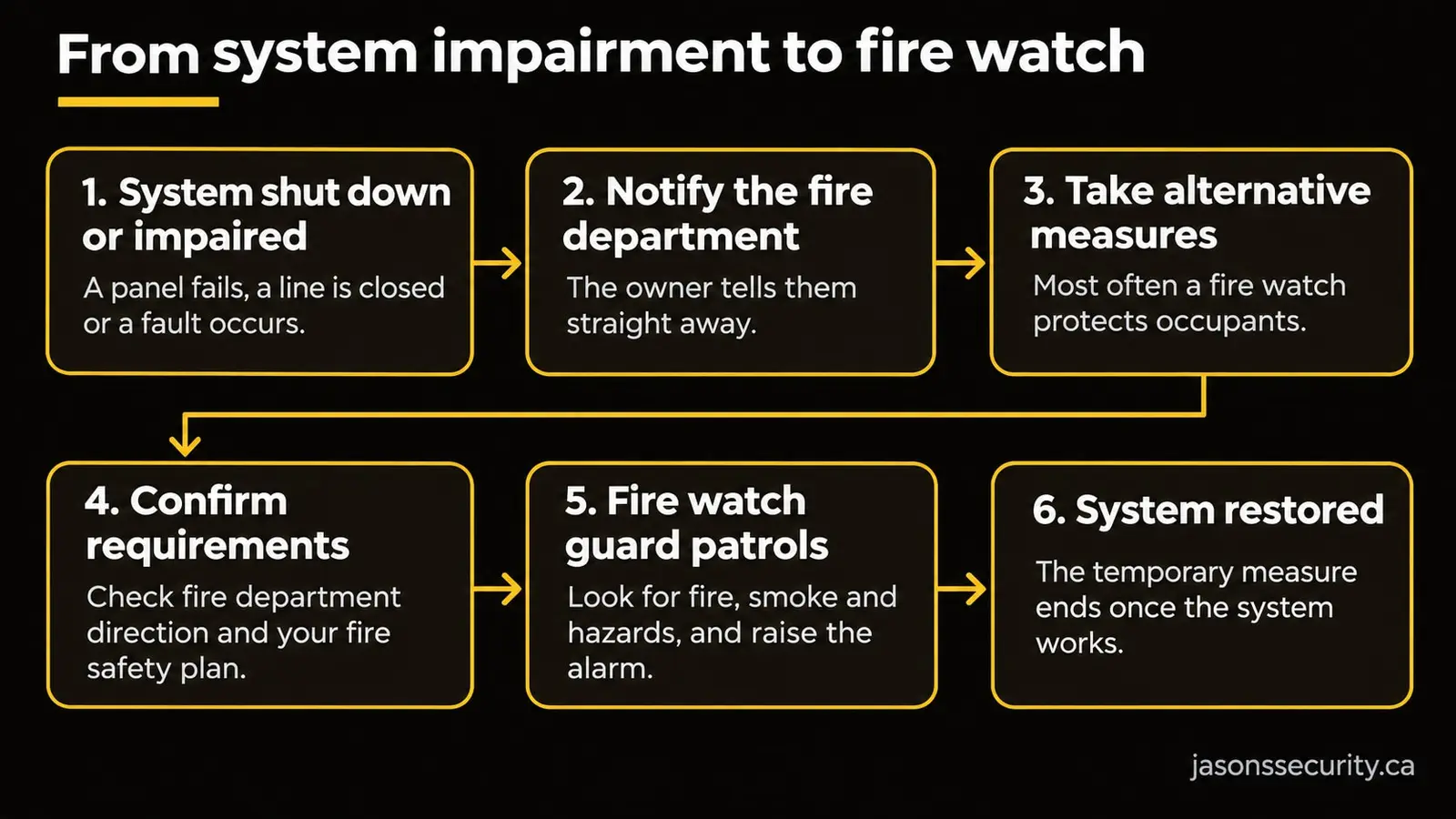
From system impairment to fire watch, step by step
The diagram earlier in this guide shows what happens when fire protection is impaired, from the first shutdown through to restoration. Here are the same steps in order.
- System shut down or impaired. A panel fails, a line is closed for repairs or a fault takes part of the system offline.
- Notify the fire department. The owner tells them about the impairment straight away.
- Take alternative measures. The owner puts in place other protection for occupants, most often a fire watch.
- Confirm requirements. Check the fire department’s direction and your fire safety plan for what the watch must include.
- Fire watch guard patrols. Trained people look for fire, smoke and hazards, and raise the alarm if anything goes wrong.
- System restored. Once the system works again, the temporary measure ends.
When do you need a fire watch?
You usually need a fire watch when your fire protection is reduced or when work adds fire risk. The legal trigger is the impairment rule explained above. Use the checklist below to see whether any of the common situations applies to your site.
Checklist: Do you need a fire watch? Situations to check
- Check whether your fire alarm panel shows a fault or is offline, including overnight failures.
- Confirm whether a sprinkler or standpipe line has been shut down, or damaged.
- Ask your contractor whether planned maintenance will take any fire system out of service.
- Find out if any hot work (welding, cutting or grinding) is scheduled, especially in an occupied building or near combustible materials.
- Look at whether construction or renovation means permanent fire systems are not yet working, or are partly disconnected.
- Check whether an event or temporary occupancy will use a space differently from its normal fire plan.
- Consider whether the building is being assessed after a fire or flood while systems are restored.
- Read your fire safety plan for any requirement to provide a fire watch.
- Ask your local fire department whether it wants one in place and tell it about the impairment, then request fire watch coverage.
If you tick any box, treat it as a reason to arrange cover now.
What does a fire watch guard do?
A fire watch guard patrols your building on a set schedule and looks for fire, smoke and hazards. The guard raises the alarm if something goes wrong and records every round. Knowing each duty helps you check that you are getting what you pay for:
- Patrols on a set schedule: they walk every assigned floor and area at the interval set by your fire safety plan or the fire department.
- Checks for hazards: they look for heat, smoke, odours, blocked exits, propped fire doors and stored combustibles.
- Keeps exits clear: stairwells and exit routes stay open and usable for occupants.
- Raises the alarm: if they find fire, smoke or another hazard, they raise the alarm so the problem is dealt with quickly.
- Logs every round: they record the time and result of each patrol, so you can see what was checked and when.
The log matters as much as the walk itself, because it shows the stopgap was actually in place.
Sample fire watch log you can print
Copy this table into a document or spreadsheet and print one sheet per shift, with one row for each round. The columns follow the duties listed above.
| Time | Area or floor checked | Observations (heat, smoke, odours, exits, fire doors, combustibles) | Action taken | Guard initials |
|---|---|---|---|---|
Keep completed sheets with your fire safety documents so you can show what was checked and when.
How fast can you get fire watch coverage?
Fire watch is often needed at short notice, because systems fail without warning. Speed depends on how quickly a provider can dispatch a guard who already knows the procedures. When you compare security companies in Ontario, ask whether they offer 24/7 dispatch. An alarm panel can fail late on a Friday night while the building is still occupied.
Having the right details ready saves time on the first call. Keep these to hand:
- The site address and the areas that need patrols
- Which system is out of service and the expected repair time
- Any direction from the fire department or requirement in your fire safety plan
- An on-site contact and how guards will get access
With those four items, a guard can be briefed and sent without a second round of questions. If a system is down right now, our contact details are in the last section of this page.
What do owners get wrong about fire watch?
Most owners get one of four things wrong. They treat a fire watch as a fix, skip the call to the fire department, rely on staff without set rounds, or keep no logs. The table sets each belief against what actually applies.
| Common belief | What actually applies |
|---|---|
| A fire watch fixes the problem. | It is a temporary stand-in, as explained above. The system still needs to be repaired. |
| Hiring a fire watch means we do not need to call the fire department. | The owner must still notify the fire department under the Ontario Fire Code, as set out in the requirements above. |
| Our own staff can look around when they have time. | Patrols run on a set schedule, covering every assigned floor and area at the interval set by your fire safety plan or the fire department. |
| Notes are optional once the watch is in place. | Patrols should be logged, so you can show what was checked and when. |
Is a fire watch the same as fire season or a wildfire warning?
No. A fire watch covers a building or site while its fire protection is impaired or risky work is under way. Fire season and wildfire warnings concern forest fires, which are a separate matter handled at provincial level.
The Government of Ontario states that Ontario’s wildland fire season extends from April 1 to October 31. For the current picture, its forest, wildland and outdoor fires page lets you view the new and active fire situation and restricted fire zones. Check it for active wildfires in Ontario right now, because we do not track them.
Maps of forest fires are not live. The Ontario Ministry of Natural Resources says in its in-year fire perimeters dataset that each capture depends on available resources and weather conditions, and may be several days old. ServiceMaster Restore’s guide, How to Prepare Your Home for Wildfire Season, notes that fire seasons in Canada vary from month to month and from region to region.
Beyond that, we cannot give a single national fire season for Canada or say which province has the most fires. A fire watch guard does not monitor forest fires. The service protects the building in front of you while its own systems are down or hot work is under way, and it can be needed in any month of the year. In short, check the provincial pages for wildfires, and use the fire watch rules above for your building.
Fire watch with Jason’s Security
Jason’s Security Inc. offers fire watch services in Ontario. Our service page describes them as scheduled patrols of the building and high-risk areas, watching for fire, smoke and heat. We plan each watch around the requirements set for your site.
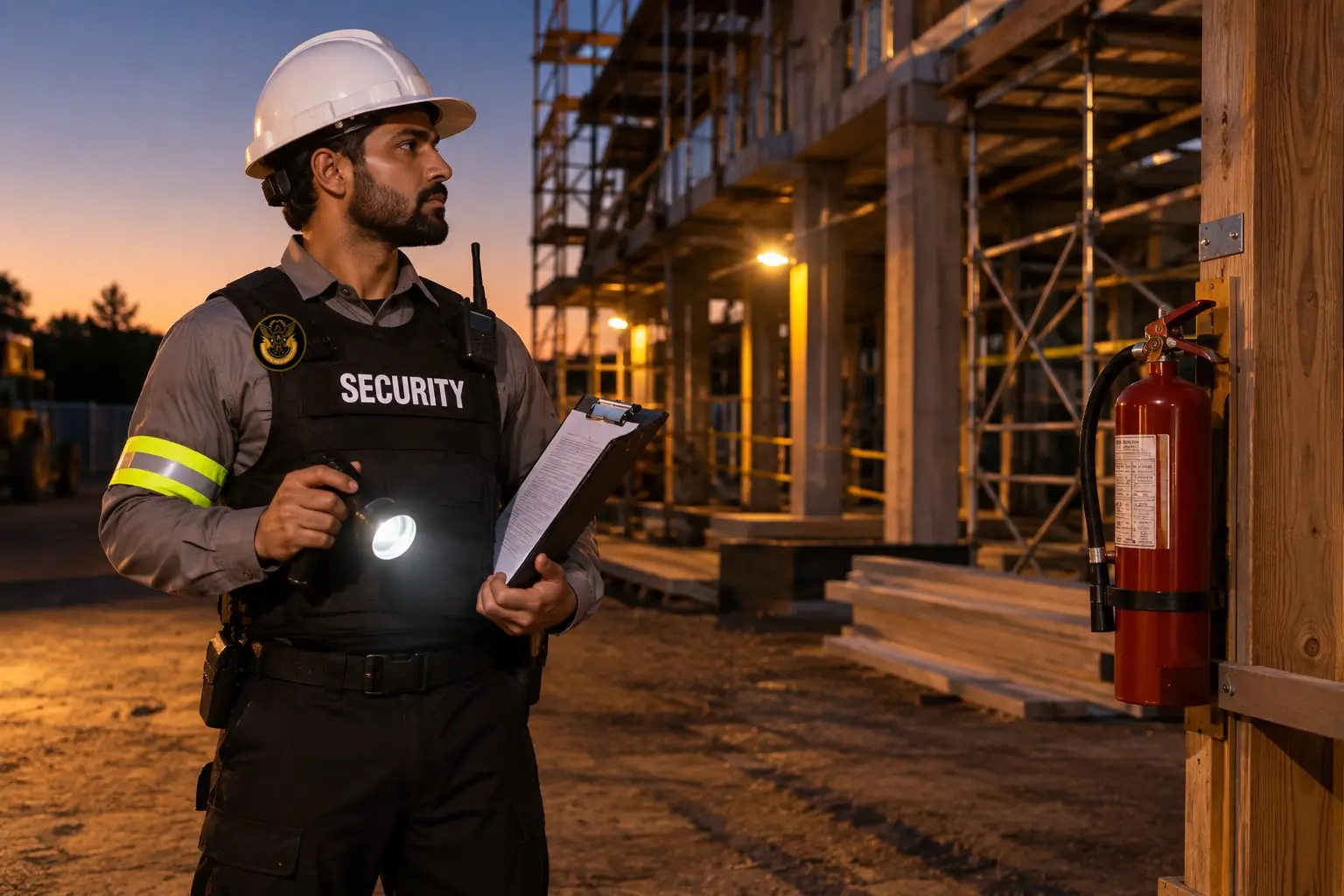
For construction or commercial sites, you can ask about fire watch alongside the other services listed at the end of this page. Tell us about your property, its hours, which system is out and what the fire department has asked for. We’ll recommend coverage that matches those requirements.
Frequently asked questions
Does a fire watch replace repairing the sprinkler or alarm system?
No. As explained above, a fire watch covers the gap but does not fix the fault, so repairs should go ahead as soon as possible.
Who decides how often a fire watch guard patrols?
The interval is set by your fire safety plan or by the fire department. Guards then walk every assigned floor and area at that interval, so confirm it in writing before the first shift.
What records should a fire watch leave behind?
A fire watch should leave a log of each patrol with its time and result, so you can show what was checked and when. It also helps to note anything unusual the guard finds and any alarm raised. Keep the log with your fire safety documents so it is easy to find later.
Do I need to tell the fire department before starting a fire watch?
Yes. The Ontario Fire Code rule set out in the requirements section makes the owner notify the fire department when a system is impaired. Make that call first, then put the fire watch in place.
Can a fire watch be combined with construction site security?
Yes. Construction and renovation sites often need a fire watch because permanent fire systems are not yet working or are partly disconnected. Fire watch can be arranged alongside other site coverage, such as mobile patrol, so one provider handles both.
Arrange fire watch cover in Ontario
If a system is out of service or hot work is planned, we can put a fire watch in place and pair it with other coverage. Alongside fire watch, we offer mobile patrol and commercial security for construction and business sites. We also offer event security when a space is used differently from its normal fire plan, and residential security for housing.
To arrange cover, contact us through the button below. On the first call, we’ll ask for the four details listed in the coverage section: the site address and areas, which system is out and for how long, the fire department’s direction, and an on-site contact for access. That lets us brief a guard without a second round of questions.